NBCTA provides seed funding for the project through the Province of BC's Targeted Regional Tourism Development Initiative (TRTDI) and covers gathering the content, design, and installation of these signs. Before proceeding, long-term maintenance agreements for the care of the signs must be in place. The Thematic Framework and Great Northern Circle Route Signage Master Plan remain guiding documents. The Thematic Framework is the foundation for the interpretive signage for the family of signs identified in the Great Northern Circle Route Signage Master Plan.
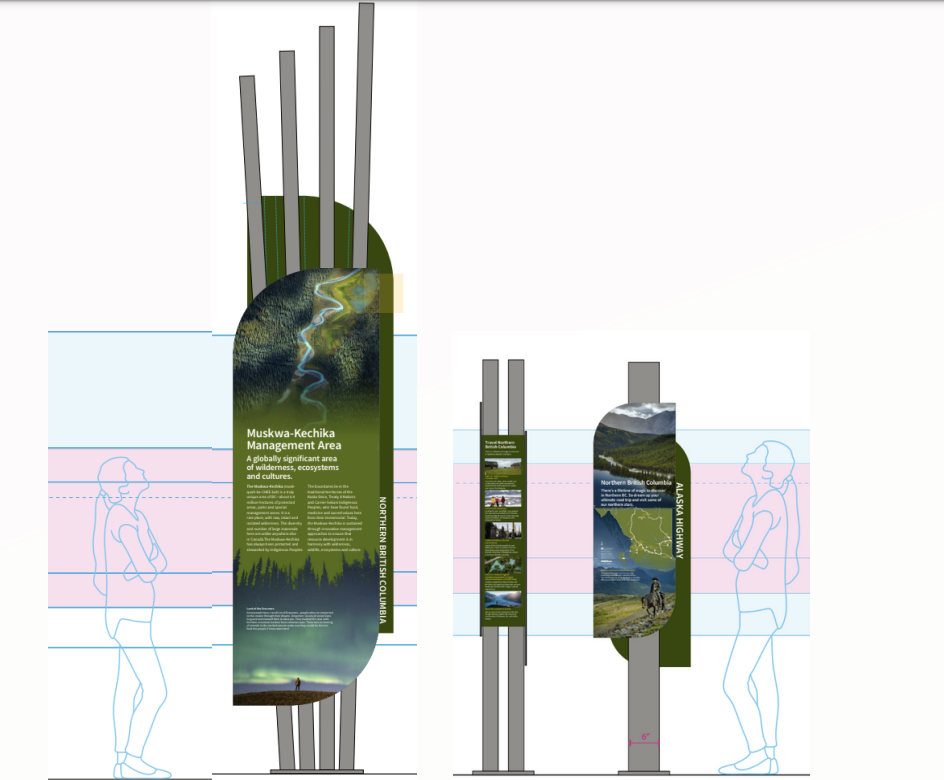
The signage project has been divided into three phases. Phase 1 signs for the 5 Alaska Highway rest stops are entering the fabrication stage, with installation in the spring. The majority of the signs for Phase 2 are slated for iconic locations such as the Tumbler Ridge UNESCO Global Geopark, Mile Zero of the Alaska Highway, the Ancient Forest, Fort St James Historic Site, Hudson Bay Mountain, 'Ksan Historic Village, Bear and Salmon Glacier and potentially Nisg̱a'a Memorial Lava Bed Park. (These iconic locations were determined through the Destination Development process, which has been ongoing since 2017 and included extensive outreach alongside Indigenous Tourism BC.) In most cases, long-term maintenance agreements are in place, and plans for gathering the content for the stories on the panels are shaping up. All the signs are to be installed by the end of August 2024.
As for Phase 3, we encourage all communities, regional districts, and First Nations to consider their signage needs and to contact us to discuss how we can expand NBCTA's Iconic Destination Signage Project. Overall, the program seeks to enhance the visitor experience by facilitating a deeper understanding of the region's connections and diversity. These interpretive and wayfinding signs and improved signage and storytelling throughout the region are also expected to enhance the quality of life for residents in the Northern Tourism Region. To learn more, please get in touch with April Moi, april@nbctourism.com or Martina Bancroft, martina@nbctourism.com
The Northern Rockies Regional Municipality (NRRM) in the top Northeastern corner of the province is an expansive area made up of many small communities spread over 85,000km2 of land. It is also the location of a successful vermicompost system which facilitates the composting of organics into premium-quality soil enhancer which can be applied right back to the land!
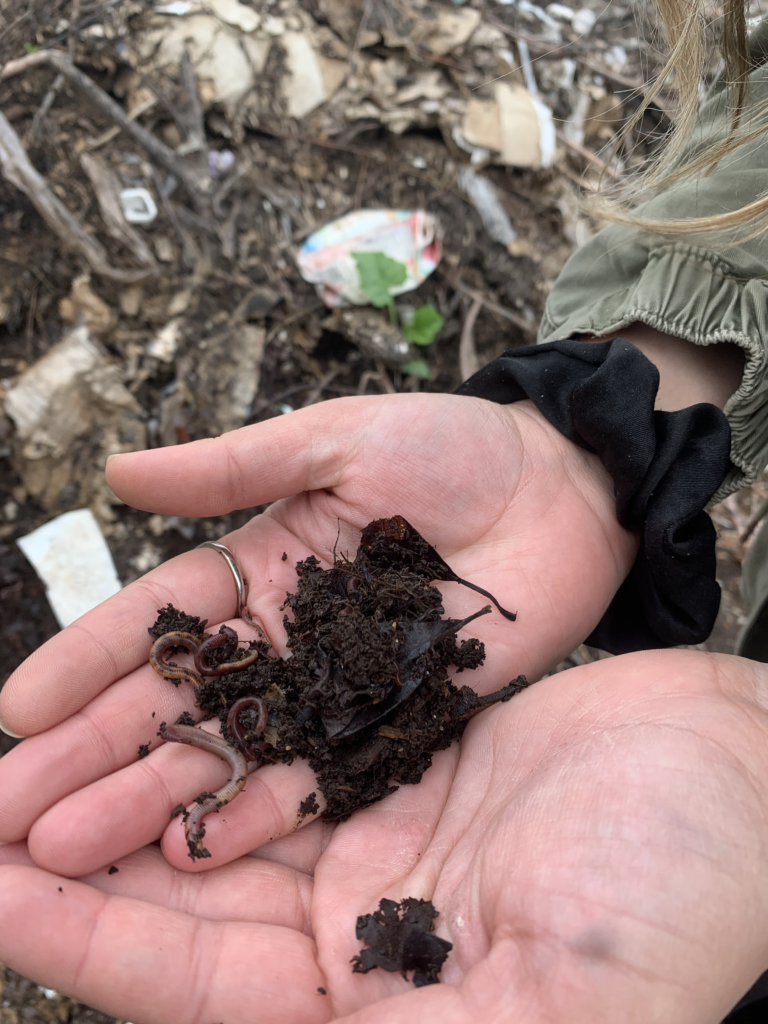
Originally championed by a local citizen (and vermicomposting aficionado,) the NRRM launched a municipal vermicompost trial project in 2017. Using worms, the vermicomposting process transforms waste into fertilizer in about half the time of standard composting. The trial project was hugely successful and the NRRM has been managing green waste through their full-scale vermicompost system since 2019.
The entire vermicompost process occurs locally, allowing the Northern Rockies region to not only divert typical organics such as food and yard waste but also uses paper and cardboard as part of the process which would normally be long hauled south to a recycling plant. While occurring in open air without the requirement for heated buildings or fancy equipment, vermicomposting is an extremely energy efficient process. Additionally, the process turns would-be garbage into Grade A composting – creating its own circular economy!
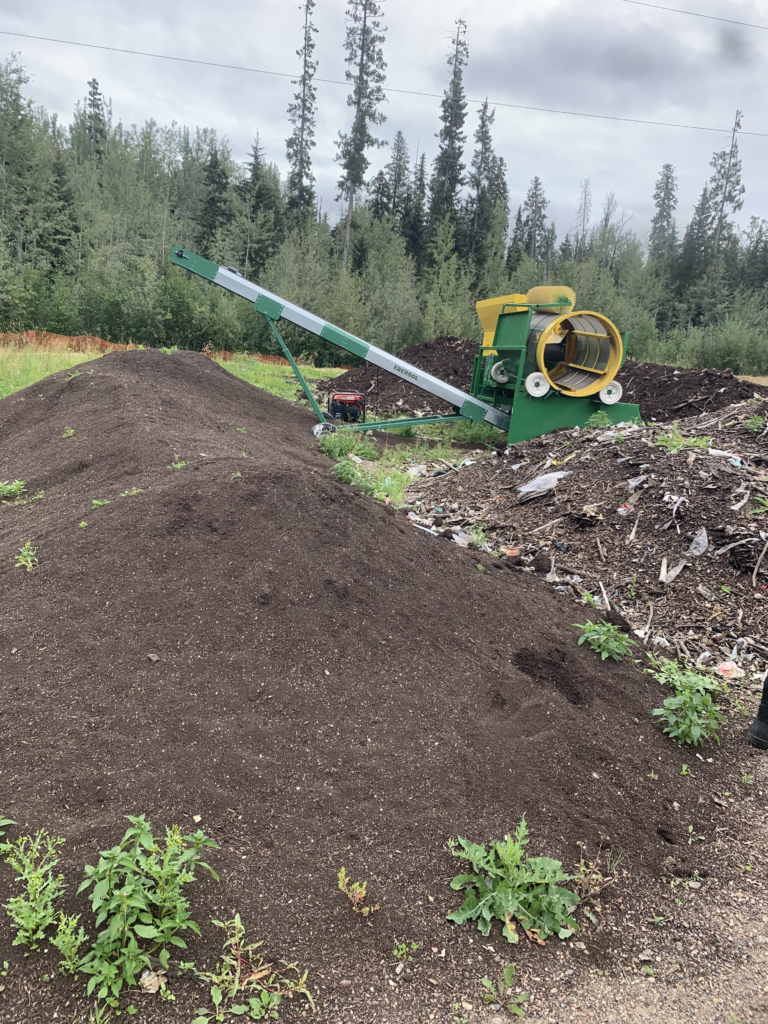
If you are in the area and interested in participating in green waste diversion, check out Vermicomposting in the Northern Rockies and take your green waste to designated green bins at the Fort Nelson Landfill free-of-charge!
With the northern climate and the remote nature of the area, the Northern Rockies Vermicompost is a true accomplishment in locally organic waste management!
Thank you to Sam Anthony Möbius for sharing the following story about his drive from Key West, Florida up to Anchorage, Alaska in an Electric Vehicle. This story was originally shared in the Alaska Highway Facebook Group and is being republished with permission from the author.
**
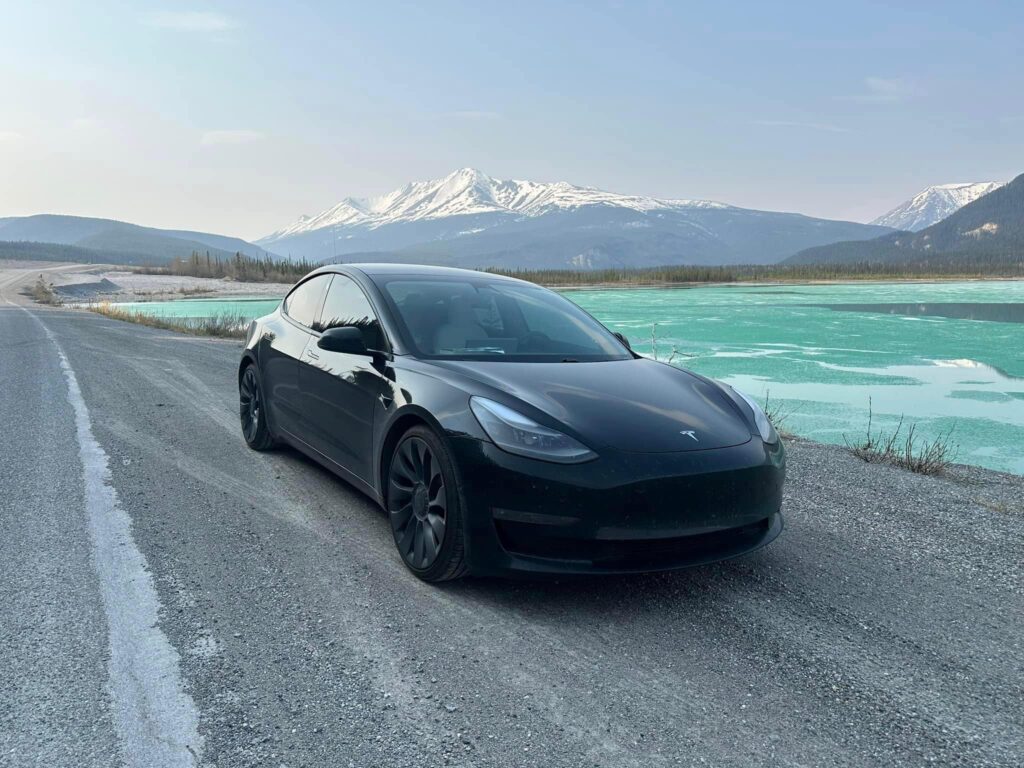
I finished my drive from Augusta, GA down to Key West, FL and then up to Anchorage, AK in my electric vehicle a couple weeks ago. In 13 days I went 7,167 miles, through 2 countries, 16 states, 3 provinces, and 1 territory. The total cost of the drive was $563.84 which equals about $0.07 per mile. The cost to drive the Alcan was $65.93.
I am not going to go into detail about all of my charging stops in the US because they are everywhere down there. I'll start with my first charging stop in Canada but if you are interested in the stops I made in the US feel free to comment or reach out to me.
My last charge in the US was in Williston, ND. I charged to 97% and I entered Canada at the Oungre/Fortuna Border Crossing in Saskatchewan.
During my time in Canada there were 3 “overnight” charges. The first was in Saskatoon where I charged with a Tesla Destination Charger overnight. The second in Fort Nelson, and the third was at Toad River. The rest of the charges were under/up to an hour.
Canada Charging Stops:
Charge: Regina, SK, Canada (21% SOC) - Tesla Supercharger
184 Miles / 52kWh used / 283 Wh/mi
Charged to 93% / Cost = $14.25
Charge: Saskatoon, SK, Canada (21% SOC) - Tesla Wall Charger
161 Miles / 44kWh used / 270 Wh/mi
Charged to 100% / Cost = Free
Charge: Lloydminster, AB, Canada (27% SOC) - Tesla Supercharger
178 Miles / 49kWh used / 277 Wh/mi
Charged to 93% / Cost = $16.05
Charge: Edmonton, AB, Canada (21% SOC) - Tesla Supercharger
171 Miles / 49kWh used / 285 Wh/mi
Charged to 96% / Cost = $19.83
Charge: Whitecourt, AB, Canada (47% SOC) - NEMA 14-50
123 Miles / 33kWh used / 268 Wh/mi
Charged to 80% / Cost = $7.38
Charge: Grande Prairie, AB, Canada (17% SOC) - CCS
173 Miles / 43kWh used / 251 Wh/mi
Charged to 80% / Cost = Free
Charge: Fort St. John, BC, Canada (31% SOC) - CCS
128 Miles / 33kWh used / 257 Wh/mi
Charged to 100% / Cost = $33.99
Charge: Fort Nelson, BC, Canada (19% SOC) - J-1772
144 Miles / 32kWh used / 259 Wh/mi
Charged to 98% / Cost = Free
Charge: Liard River, BC, Canada (25% SOC) - NEMA TT-30
196 Miles / 49kWh used / 250 Wh/mi
Charged to 57% / Cost = $18.44
Charge: Watson Lake, YT, Canada (11% SOC) - CCS
131 Miles / 31kWh used / 239 Wh/mi
Charged to 97% / Cost = Free
Charge: Teslin, YT, Canada (27% SOC) - CCS
163 Miles / 46kWh used / 280 Wh/mi
Charged to 72% / Cost = Free
Charge: Whitehorse, YT, Canada (33% SOC) - CCS
114 Miles / 27kWh used / 239 Wh/mi
Charged to 97% / Cost = Free
Charge: Haines Junction, YT, Canada (53% SOC) - CCS
97 Miles / 27kWh used / 239 Wh/mi
Charged to 100% / Cost = Free
Charge: Beaver Creek, YT, Canada (23% SOC) - CCS
184 Miles / 51kWh used / 276 Wh/mi
Charged to 88% / Cost = Free
Charge: Tok, AK (42% SOC) - CCS
110 Miles / 27kWh
The District of Tumbler Ridge has brought in 200 FoodCyclers as part of a pilot program to support food waste management in the community.
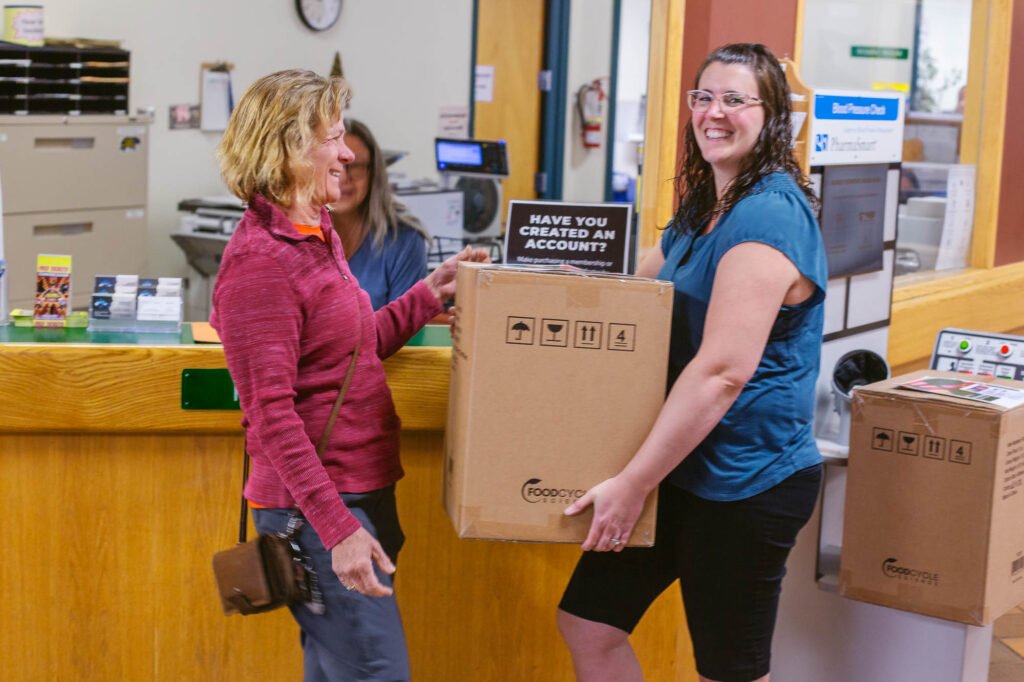
The FoodCycler is a device that grinds and dries out food waste—from vegetable peels to chicken bones—and turns it into a biomass product that can be used as a soil additive or, if compressed, as pellets for home heating. According to Jacob Hanlon, who coordinates the Municipal Program for FoodCycle Science, and who presented to council at the April 3 council meeting, five litres of food waste becomes 200 g of this nutrient rich product.
They have 130 registrants participating in the 12-week program which will run until September and residents were offered a large discount on the cost of purchasing the
Learn more about the program at the following links:
NBCTA, Destination BC, and Indigenous Tourism BC have scheduled destination development planning sessions to create a regional destination development strategy that integrates the results from our Northeast and Northwest Destination Development Strategies. This important work will also prepare the region for success to deliver iconic experiences as part of Destination BC’s Invest in Iconics Strategy. Your participation is critical to the success of the destination development process.
Five in-person workshops will take place in June and July. Discussions kick off with a 3.5-hour introductory session the evening before the full-day session. Please register for the evening and full day separately through the Eventbrite format.
The May 17 and May 23 virtual sessions looked at the investments in destination development projects and progress made to date. Recordings are available here.
Collectively, tourism champions will review the progress to date, identify gaps and future opportunities and gain an understanding of the status of tourism interests and the capacity of all communities. The importance of providing input in this bottom-up process cannot be understated. With NBCTA’s support, the Indigenous engagement to involve community members and businesses is led by ITBC’s Northeast and Central Indigenous Tourism Specialist, Angela Keech (angela@indigenousbc.com) or Northwest Indigenous Tourism Specialist, Shawna Gosnell (shawna@indigenousbc.com).
If you are unable to attend the in-person workshop at a location near you but would like to provide input, please contact april@nbctourism.com. We will gladly arrange a one-to-one discussion so that you can contribute to this important work.
Kick-off: Virtual Sessions
In-person Workshops
Lheidli T’enneh Territory | Prince George
Wet’suwet’en Territory | Smithers
Kitselas and Kitsumkalum Territory | Terrace
Tsimshian First Territory | Prince Rupert
Treaty 8 Territory | Fort St. John
Overall, the outcome is intended to help guide and manage tourism growth, increase the competitiveness and visitor spend of the Northern Region, as well as enhance the quality of life for local residents. To learn more or to confirm your interest in participating, please email april@nbctourism.com
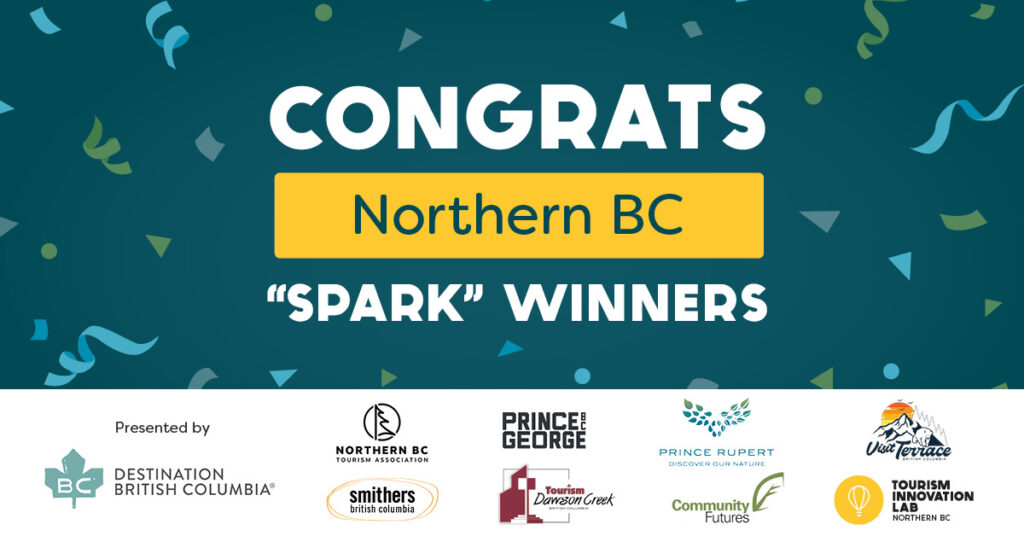
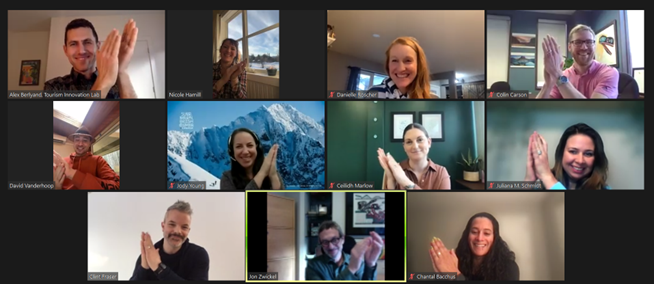
We are thrilled to announce the winners of the Northern BC Spark Program after the finalist pitch session on January 11, 2023.
The three finalists who made winning pitches for the Northern BC “Spark” Program were each awarded a $3,000 seed grant and mentorship to help them get started with their new tourism ideas.
Click here
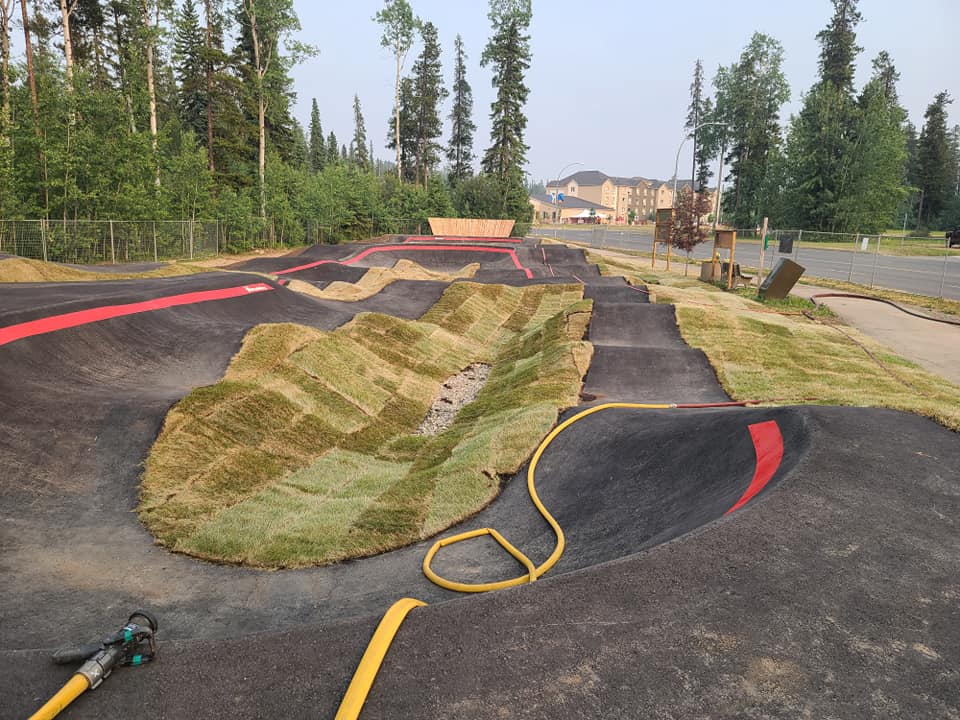
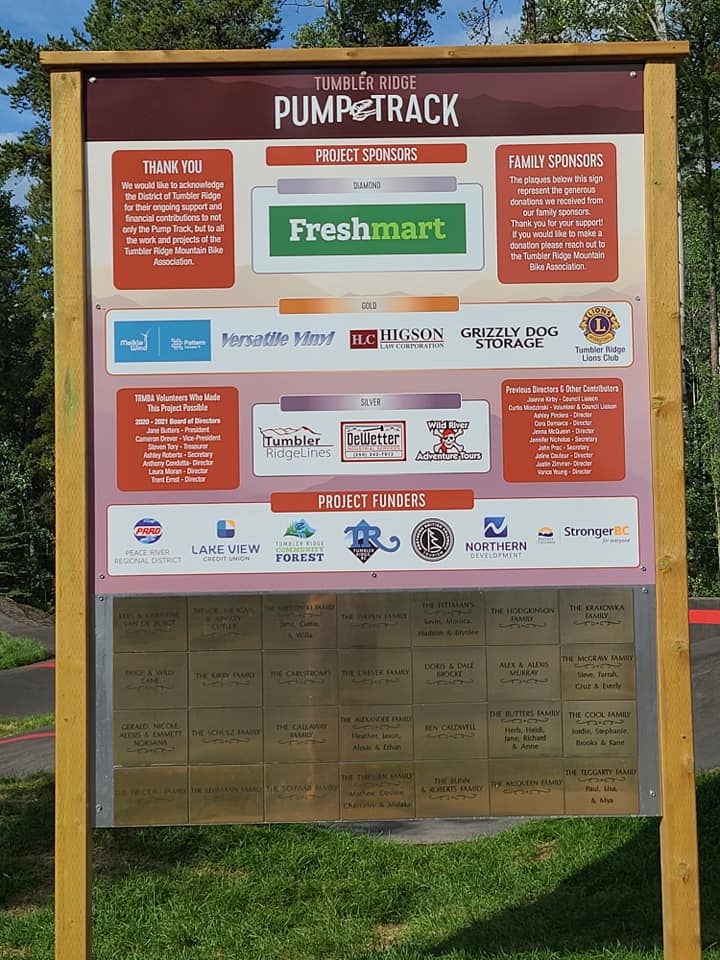
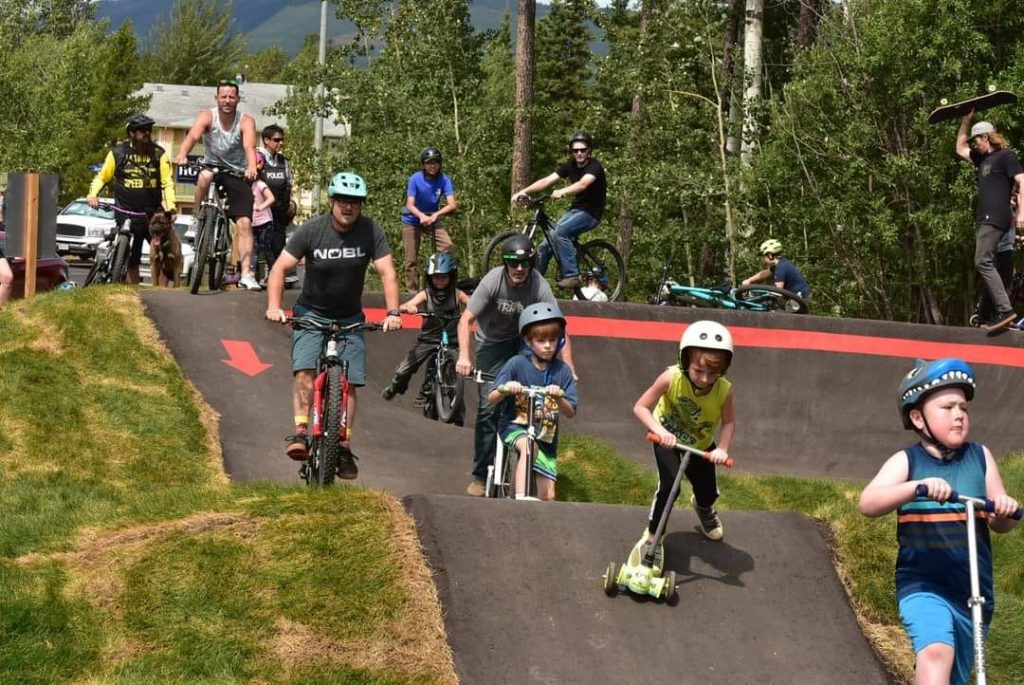
to read the full media releaseThrough the Province of BC's Targeted Regional Tourism Development Initiative Fund (TRTDI), which Northern BC Tourism Association is managing and distributing, money was invested in the Tumbler Ridge Pump Track, which opened in July 2020.
This looped and bermed paved track is the first of its kind in Northeast BC and offers a low-impact activity that is accessible to participants of virtually all demographics. The development of this pump track supports ongoing development of world-class mountain biking in Tumbler Ridge, as well as providing a central gathering place and important amenity for the local community.
The funding for this project is part of a larger allotment of funding to mountain bike clubs and associations throughout Northern BC, which is meant to elevate the mountain biking experience in the region through infrastructure, trail and signage upgrades at mountain bike trail networks throughout the region. Develop signage at multiple mountain biking locations that link the different trail networks together and create a more cohesive visitor experience.
These projects directly supports actions in both the Northwest and Northeast Destination Development Plan by building on the provincial mountain biking sector work and the Northern BC Mountain Bike Strategy that have been completed to further develop mountain biking in areas of Northern BC that have the attributes that would make them competitive.
In early 2021, Northern BC Tourism Association received $2.3 million to invest in regional tourism development.
As part of the Province’s Stronger BC economic recovery plan B.C.’s six tourism regions will receive a total of $13.6 million to create employment opportunities, attract new businesses and spur economic diversification within communities.
Twelve new destination and tourism infrastructure developments are underway in the northern B.C. tourism region with support from the Province.
“We know recovery from the COVID-19 pandemic for businesses and people in the tourism sector are critically important. This fund creates new tourism infrastructure, which will help the sector recover, create local jobs and spur economic development,” said Melanie Mark, Minister of Tourism, Arts, Culture and Sport. “Building on the calls to action from the sector, this fund invests in initiatives that link communities together and encourages visitors to spend time at several destinations within a region.”
Northern BC Tourism Association, in partnership with community destination management organizations, local and regional governments, First Nations, non-profits and other partners, have worked together to identify initiatives that will enhance the region’s tourism amenities and experiences.
Initiatives underway in the northern B.C. tourism region include investing in accessibility adaptations at multiple recreation sites to improve access, implementing a comprehensive place-making signage strategy for the North and supporting multiple small First Nations communities to tell their stories through cultural and wayfinding signage.
Examples in other parts of the province include improvement of trail systems throughout a region for hiking, Nordic skiing or mountain biking, self-guided tour signage to highlight agri-tourism areas and a series of Indigenous landmarks throughout a region. The Province has provided $2.3 million toward these projects.
“Northern BC Tourism Association is excited for this tremendous opportunity to further develop the tourism sector in northern B.C. As a result of working closely with partners from across the region, we have identified key initiatives that will not only advance important actions and objectives from the region’s 10-year Destination Development plans, but will also significantly strengthen the visitor experience and enhance resident quality of life throughout northern B.C.,” said Clint Fraser, CEO, Northern BC Tourism Association.
As part of StrongerBC: BC’s Economic Recovery Plan, the province’s six tourism regions have received a total of $13.6 million to create employment opportunities, attract new businesses and increase economic diversification within communities.
The Targeted Regional Tourism Initiative is one of three infrastructure investment programs for tourism as part of StrongerBC, including the Community Economic Recovery Infrastructure program, Destination Development and the Tourism Dependent Communities Initiative. The approved projects must be completed by March 2023.
Quotes:
Nathan Cullen, MLA for Stikine –
“This new funding is really important for the people and businesses within our tourism industry. It not only benefits our local communities through the creation of jobs, but it also encourages visitors to stay in our community and experience everything it has to offer.”
Janis Neufeld, COO, Kootenay Adaptive Sport Association (KASA) and Inclusive by Design –
“Inclusive by Design, a subsidiary of KASA, is excited to be part of improving access to outdoor recreation in B.C. for both residents and visitors. Our project will not only improve accessibility in the province, it is also providing training and employing individuals with a disability, increasing employment for members of a community severely impacted by the pandemic. So, the work will be done by people who will directly benefit from the improvements being made – a source of pride as well as employment.”
Click here for a full list of TRTDI projects funded in the province.
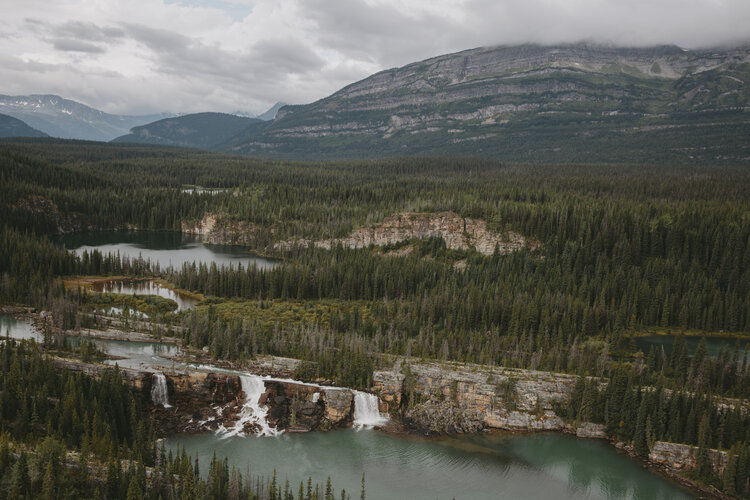
The Tumbler Ridge UNESCO Global Geopark is a community driven project celebrating fossils and landscapes of international significance found in the Peace Region. When the global pandemic hit and they had to close the Visitor Centre, their team started thinking of ways to support the town, recognizing that tourism would come later in the recovery process.
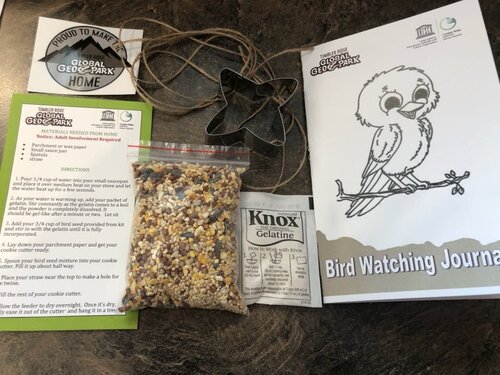
Aware that parents were grappling with limited resources at home, the Geopark decided to develop a free weekly education kit made available through a corporate partnership with Meikle Wind. Each week they have been focusing on a different aspect of the Tumbler Ridge Geopark and sharing a learning booklet and activity with anyone who requested them. The education kits have seen excellent uptake in the community, driving engagement with local teachers and parents and eliciting positive feedback from residents. Many people reported learning something new about their community or region.


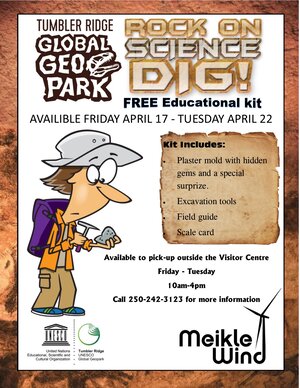

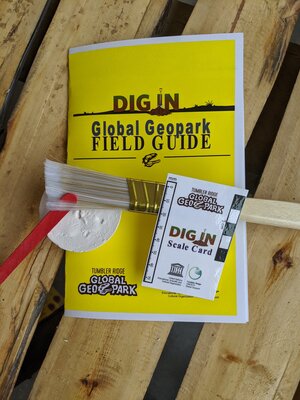
The project has been a rewarding growth opportunity for the Geopark, meeting their goals of accessibility and inclusion and sparking inspiration for news ways of delivering their UNESCO program to both visitors and locals in the future.
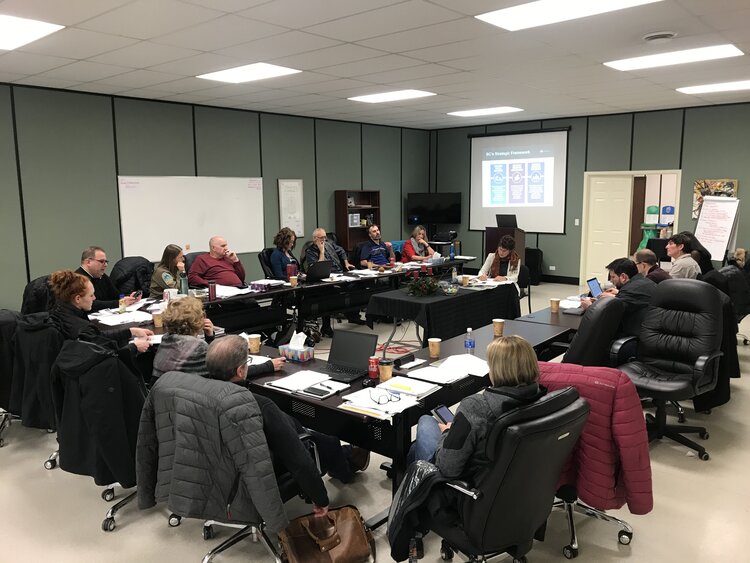
NBCTA’s Destination Development Specialist, April Moi, and Indigenous Tourism Specialist, Lucy Martin, joined Marketing and Communications Specialist, Amber Harding, in Fort St. John on November 26 and 27 to discuss the implementation of the 10-year Northeastern BC Destination Development Strategy with stakeholders.
This facilitated session was attended by 24 tourism champions involved in the Destination Development Planning process that that was guided by input from over 160 Northeastern BC tourism partners. In partnership with Destination BC, the Ministry of Tourism, Arts and Culture, and Indigenous Tourism BC, Northern BC Tourism coordinated the development of the Strategy and is now facilitating the implementation of the objectives and action items alongside the Destination Development Committee.
Members of the group shared the status of current tourism activities and reviewed initial implementation steps for the majority of the Action items noted in the Strategy. The group also agreed to continue to work together to move the Strategy forward as the Northeastern BC Destination Development Committee, under the guidance of Northern BC Tourism.
Northern BC Tourism would like to acknowledge the group’s tremendous commitment to the destination development process. Additionally, we would also like to thank Mary Jane’s Kitchen & Catering for the excellent food and Treaty 8 Tribal Association staff for their hospitality and use of their boardroom.
You can view the full Northeast Destination Development strategy online here.
Plans are coming together for the Implementation Session for the 10-year Northeastern BC Destination Development Strategy. This initial kick-off workshop is being held in Fort St John on the evening of November 26 and a full day workshop on November 27. Many members of the original Working Committee have agreed to participate. As well, invitations have been extended to representatives from other agencies and organizations.
Participants will review the status of current projects, discuss the framework and terms of reference for the group and future meeting schedules, review the Strategy to identify action items that are moving forward and prioritizing other actions and determining the approach to implementation, funding streams and supporting partnerships.
If you have not been invited to participate, but would like to be involved, please contact April Moi at 250-793-0062 or email april@nbctourism.com.
To view the 10-year Northeastern BC Destination Development Strategy, click on the following link and search Northern BC:
https://www.destinationbc.ca/what-we-do/destination-management/destination-stewardship/
In HBO's highly publicized worldwide scavenger hunt, For the Throne, six replicas of the Iron Throne from the popular TV series Game of Thrones were placed around the world. The thrones spanned six countries and three continents. As part of our role to support film production in Northern BC, we were proud to play a part in bringing the Throne of Ice to Tumbler Ridge.
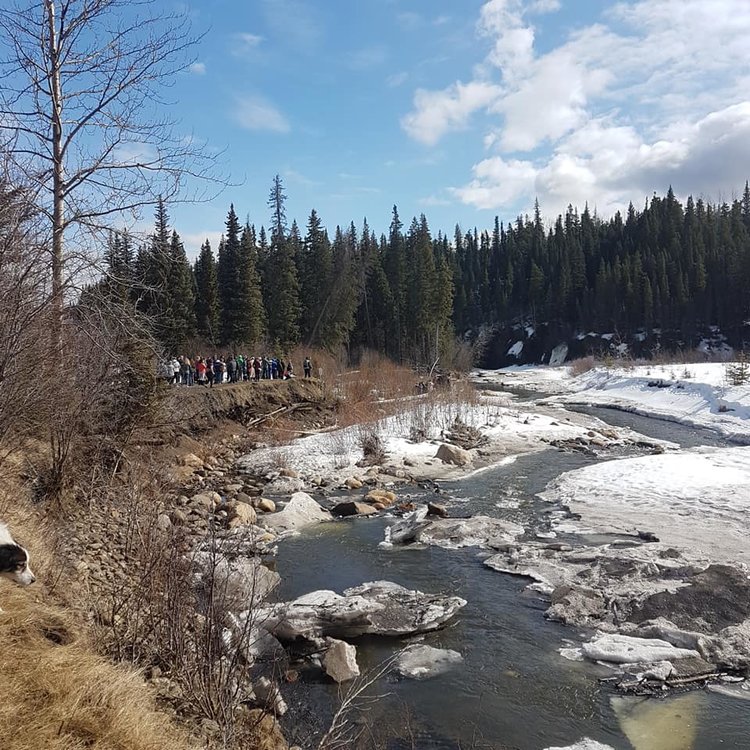
When NBCTA was contacted by network representatives for frozen waterfall locations, the natural place to send them was the Tumbler Ridge UNESCO Global Geopark, an area with some of the most significant waterfall populous in North America.
Local tourism operator, Wild River Adventure Tours, scouted out locations for the television network and found the perfect ice waterfall at Babcock Seeps, an 8 km round trip snowshoe. Unfortunately, warm weather and an early spring in the north meant it had to be relocated to the side of Highway 52 for safety reasons. It was open to public viewings and photographs from March 27 – 31, 2019.

According to the Tumbler Ridge Visitor Centre, almost 5,000 people sat on the throne over the five-day period and hundreds more stopped by to take photos. The visitor centre reported 850 visitors in five days, which is 100 more visitors than the entire first quarter of 2018. In addition, restaurants and overnight accommodations in the community were kept busy the entire weekend.
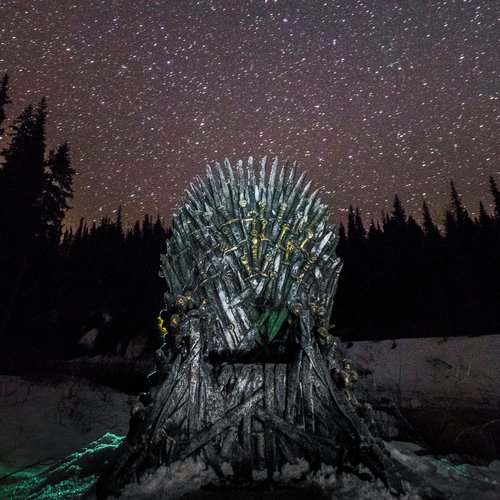
Photo provided by D Shawchek Photography.
Not only did this opportunity bring an influx of travellers to Tumbler Ridge, it shone an international spotlight on Northern BC and the amazing super natural landscape in the region.
And, despite waiting for up to five hours in an area with no cell reception, Wild River Adventure Tours reported happy, grateful and positive interactions with almost every single person who sat on the throne. Reminding us that when you take the time to get outside and connect with other adventurers and nature, you are reminded of what's real and what really matters, and the true nature of beauty and freedom.
NBCTA was pleased to be able to play a small part in facilitating this incredible opportunity for our region.
Congratulations to the Tumbler Ridge UNESCO Geopark and Wild River Adventure Tours for doing such an amazing job with this once-in-a-lifetime opportunity for their community and helping shine the much-deserved spotlight on Tumbler Ridge.
READ MORE:

"*" indicates required fields
Our summit will bring together industry experts, travel enthusiasts, and local businesses to discuss the latest trends, strategies, and opportunities in Northern BC's tourism sector.
Expect engaging discussions, insightful keynote speakers, and interactive workshops that will equip you with valuable knowledge and insights. Connect with like-minded individuals, forge new partnerships, and gain inspiration to take the tourism sector to the next level in the region.